

Top of Form The Heavy-Duty Guide to Wire Rope Winches: Selection, Applications, and Safety
When it comes to heavy lifting, pulling, and material handling, few pieces of equipment are as indispensable as the wire rope winch. Whether on a rugged construction site, an offshore rig, or a manufacturing floor, these machines provide the brute force and precision required to move massive loads safely.
If you are looking to upgrade your lifting equipment or understand how these systems operate, this guide covers everything you need to know about wire rope winches.
What is a Wire Rope Winch?
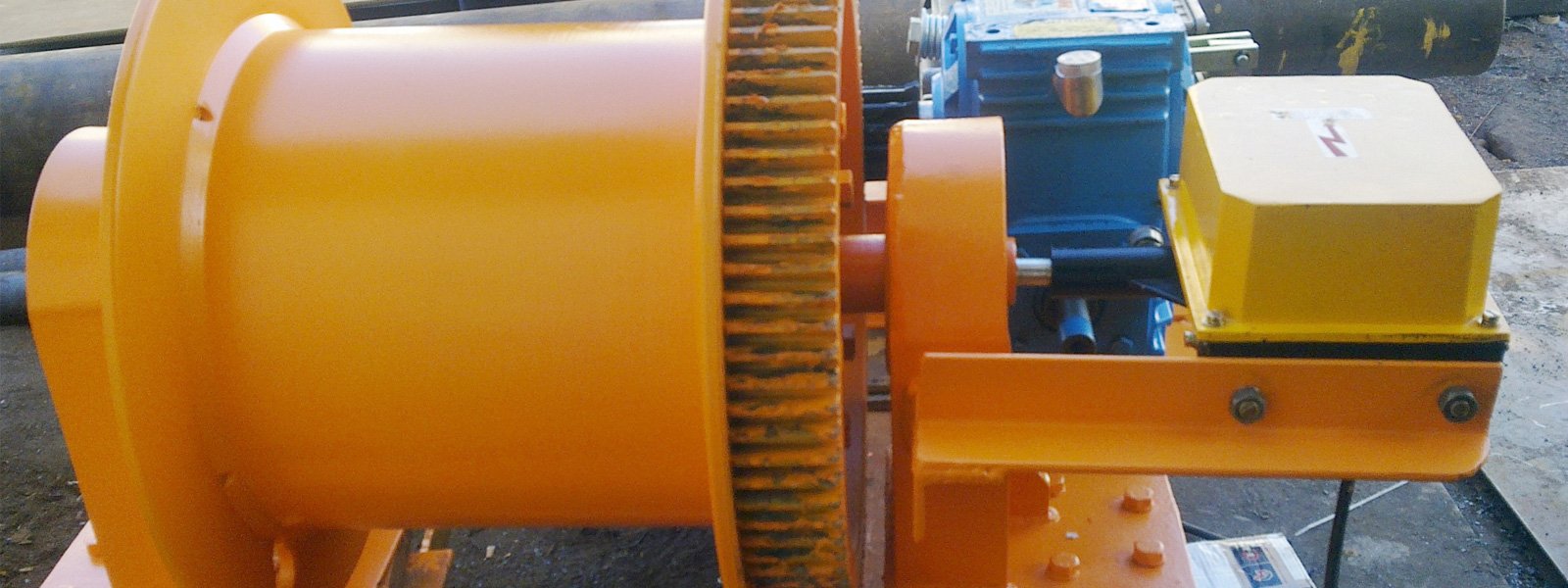
A wire rope winch is a mechanical device used to pull in (wind up) or let out (wind out) a steel wire rope. At its core, it consists of a rotating drum powered by a motor or hand crank. As the drum turns, the steel cable winds around it, generating immense pulling or lifting tension.
Unlike synthetic rope winches, wire rope winches utilize high-tensile steel cables, making them far more resistant to abrasion, extreme heat, and crushing forces.
Common Types of Wire Rope Winches
Choosing the right winch starts with understanding the power source that best fits your work environment:
- Electric Wire Rope Winches:Powered by AC or DC electricity, these are the most common winches for general industrial, warehouse, and workshop use. They offer easy installation, quiet operation, and precise control.
- Hydraulic Wire Rope Winches:Built for continuous, heavy-duty operations. Powered by a hydraulic pump, they generate massive torque without overheating, making them ideal for marine, mining, and heavy recovery vehicles.
- Pneumatic (Air) Winches:Driven by compressed air, these winches are spark-free and immune to overheating. They are the standard choice for hazardous or explosive environments, such as oil refineries, chemical plants, and underground mines.
- Manual Hand Winches:Operated via a hand crank and gear system. While limited in capacity and speed, they are portable, require no power source, and are perfect for light-duty maintenance or remote locations.
Key Industrial Applications
Because of their durability and high load capacities, wire rope winches are used across a wide range of sectors:
- Construction:Lifting structural steel, concrete panels, and heavy machinery to upper floors.
- Marine & Offshore:Anchoring vessels, mooring barges, and handling heavy subsea equipment.
- Mining:Hauling ore carts, lowering equipment into shafts, and tensioning conveyor belts.
- Forestry & Logging:Skidding heavy timber out of dense, uneven terrain.
- Automotive & Recovery:Pulling stranded heavy-duty trucks, buses, and off-road vehicles.
5 Factors to Consider Before Buying
Selecting the wrong winch can lead to premature wear or dangerous equipment failure. Keep these five specifications in mind:
- Rated Line Pull (Capacity):Always calculate the maximum weight of your load—including friction and incline angles—and choose a winch with a capacity that exceeds it.
- Line Speed:Determine how fast you need to move the load. High-speed winches boost productivity on long pulls, while slower speeds offer better precision for delicate positioning.
- Duty Cycle:Consider how often the winch will run. Intermittent use is fine for standard electric winches, while continuous, all-day operation demands a hydraulic or heavy-duty industrial motor.
- Drum Capacity & Rope Diameter:Ensure the drum is large enough to hold the required length and thickness of steel wire rope without overfilling, which can damage the cable.
- Braking System:Look for automatic fail-safe brakes that immediately lock the load in place if power is lost.
Essential Maintenance & Safety Tips
A wire rope winch is only as reliable as its upkeep. Follow these basic practices to extend equipment life and protect operators:
- Inspect the Wire Rope Daily:Check for broken wires, kinks, corrosion, or flattening (“birdcaging”). Replace damaged cables immediately.
- Lubricate Regularly:Apply proper wire rope lubricant to prevent internal friction and rust, and keep gears well-greased.
- Keep Minimum Wraps on the Drum:Never unwind the cable completely. Always leave at least 5 full wraps of wire rope on the drum to keep the anchor point secure.
- Never Exceed Rated Capacity:Overloading strains the motor, strips gears, and risks snapping the steel cable under high tension.
Need Help Finding the Right Winch?
Choosing the right lifting and pulling equipment is critical for your operation’s efficiency and safety. CENTURY Fab-Tech offers a full range of heavy-duty electric, hydraulic, and manual wire rope winches engineered for maximum reliability.
[Contact our engineering team today] for a custom recommendation or browse our catalog to find the exact specifications your project demands.