

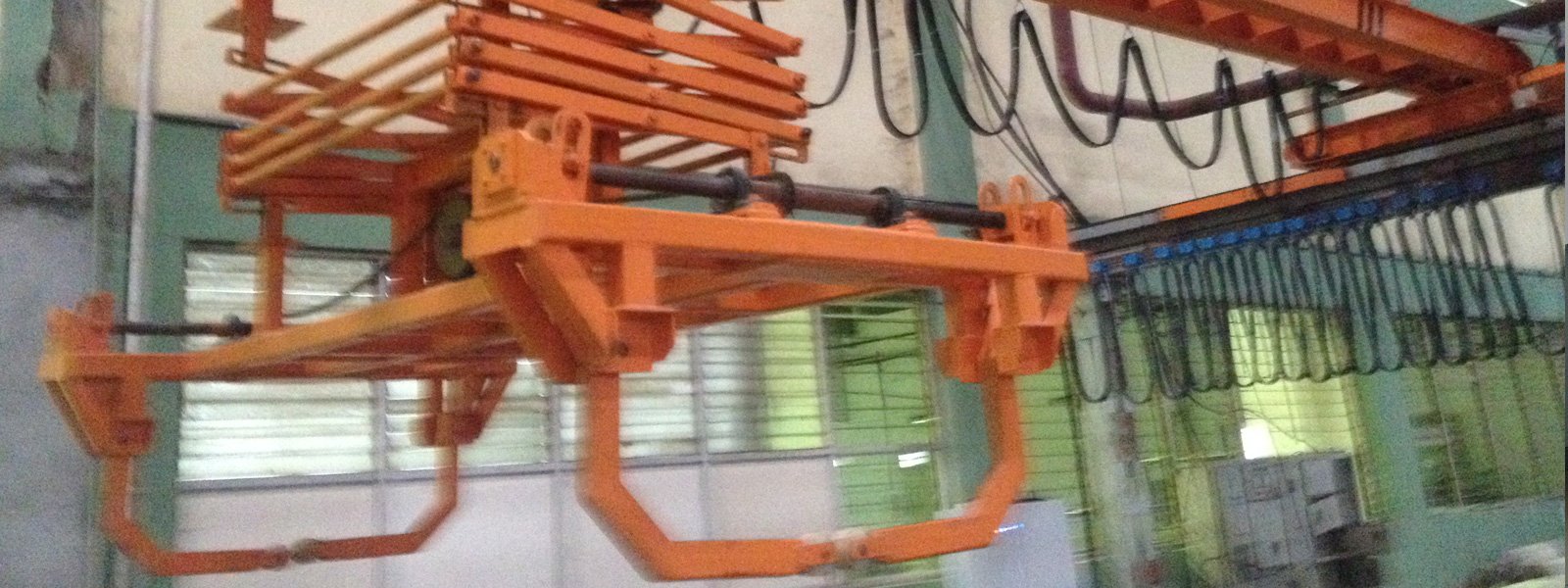
Transforming Bulk Material Handling: The Power of PLC-Controlled Grab Cranes
In heavy industries like ports, steel plants, waste-to-energy facilities, and cement manufacturing, moving bulk materials efficiently is critical to keeping operations profitable. Traditional manually operated grab cranes often face challenges like operator fatigue, inconsistent cycle times, and high maintenance costs.
Integrating a Programmable Logic Controller (PLC) with a grabber (or grab bucket) crane transforms standard lifting equipment into a high-precision, semi-automated, or fully automated material handling powerhouse.
Here is a look at how PLC-controlled grab cranes work, their core benefits, and why upgrading your lifting systems can significantly improve your bottom line.
What is a PLC-Controlled Grab Crane?
A grab crane uses a specialized bucket attachment—such as a clamshell, orange peel, or electro-hydraulic grab—to scoop, lift, and discharge loose bulk materials like coal, scrap metal, grain, sand, or municipal waste.
When paired with a PLC system, a ruggedized industrial computer takes over the complex coordination of the crane’s hoisting, traveling, and bucket-opening mechanisms. Using real-time data from sensors, encoders, and load cells, the PLC ensures every lift is executed with millimeter precision.
Key Features of PLC Integration
- Automated Cycle Execution: Operators can initiate entire pick-and-place routines with the push of a button, allowing the crane to automatically travel to a pit, lower the grab, scoop material, hoist, and dump at a designated hopper.
- Anti-Sway Technology: The PLC calculates bridge and trolley acceleration in real time, actively dampening load swing to prevent collisions and speed up positioning.
- Smart Load Weighing & Monitoring: Built-in load cells communicate directly with the PLC to prevent overloading, track exact tonnage moved per shift, and optimize bucket fill rates.
- Collision Avoidance & Zone Control: Programmable “no-fly” zones prevent the grab bucket from hitting hoppers, walls, or adjacent cranes operating on the same runway.
- Remote Diagnostics & SCADA Integration: Maintenance teams can monitor motor temperatures, brake wear, and fault logs from a central control room or remote dashboard.
Top Benefits for Industrial Operations
- Higher Throughput and Faster Cycle Times
By eliminating manual guesswork and minimizing load sway, PLC-controlled cranes move smoothly along optimal paths. Consistent cycle times mean more tons of material moved per hour without pushing mechanical components beyond their limits.
- Enhanced Workplace Safety
Bulk handling environments are often dusty, noisy, and hazardous. PLC automation allows operators to control the crane from a safe, climate-controlled cabin—or even a remote control room—while built-in safety interlocks prevent human error.
- Reduced Wear and Tear
Jerky manual movements put immense stress on wire ropes, gearboxes, and hydraulic grab mechanisms. Smooth, PLC-regulated acceleration and deceleration profiles drastically reduce mechanical shock, extending the lifespan of the crane and lowering maintenance downtime.
- Actionable Operational Data
Modern PLC systems log every lift. Plant managers gain instant visibility into daily productivity, energy consumption, and predictive maintenance alerts, making it easier to plan servicing before a breakdown occurs.
Common Applications
- Waste-to-Energy & Recycling Plants: Automating continuous feeding of municipal solid waste into incinerators or sorting hoppers.
- Ports & Bulk Terminals: Rapidly unloading coal, fertilizers, minerals, and grains from cargo vessels into transport vehicles or silos.
- Steel & Scrap Yards: Handling heavy, irregular scrap metal and slag in high-temperature environments using rugged orange-peel grabs.
- Cement & Mining Operations: Transferring clinker, limestone, and raw aggregates with minimal dust disruption and high repeatability.
Ready to Upgrade Your Material Handling Efficiency?
Whether you are looking to install a brand-new automated crane system or retrofit an existing overhead or gantry grab crane with modern PLC controls, tailored automation can unlock new levels of safety and productivity for your facility.
Contact our engineering team today to discuss your operational requirements and discover the right PLC-controlled grab crane solution for your workflow